


-

Add: HeBei ShengShi HongBang Cellulose Technology CO.,LTD.
-

Email
13180486930@163.com -

CONTACT US
+86 13180486930



Hydroxypropyl distarch phosphate (HDP) is an essential modified starch used across a variety of industries , from food production to pharmaceuticals. Its unique properties make it a preferable choice for manufacturers looking to improve the texture, stability, and shelf-life of their products. This article delves into the multifaceted benefits and applications of HDP, drawing on the expertise of industry professionals and real-world experiences to provide a comprehensive understanding. At its core, hydroxypropyl distarch phosphate is a chemically modified starch made by introducing hydroxypropyl groups into the starch molecule. This modification grants the starch increased stability against heat, acid, and shear, making it invaluable especially in processes involving high temperatures or high shear mixing. For food scientists and manufacturers aiming to enhance the quality of processed foods, HDP offers several advantages. It significantly improves the texture and mouthfeel of culinary products. In sauces and gravies, for example, HDP functions as a thickening agent that withstands the rapid heating and cooling cycles often encountered during production or usage. The stability provided by HDP ensures that products retain their desirable consistency over time, thereby extending shelf life and maintaining consumer satisfaction. Moreover, HDP's compatibility with other ingredients is a significant boon for food formulation. It allows for seamless integration into a wide array of recipes, providing uniformity and consistency without compromising flavor or aroma. From baked goods that require moisture retention to dairy products needing a specific creamy texture, the versatility of HDP is crucial. The expertise in producing hydroxypropyl distarch phosphate extends beyond its functional benefits. Producers must adhere to stringent safety and quality standards to ensure that the modified starch is safe for consumption. Regulatory bodies such as the FDA and EFSA approve the use of HDP within specific limits, attesting to its safety when used accordingly. Expert manufacturers implement rigorous quality control processes, analyzing each batch to affirm compliance with these standards, thereby instilling trust in their product. hydroxypropyl distarch phosphate When addressing the pharmaceutical industry, HDP is especially important. It serves as a disintegrant in tablet formulations, aiding in the efficient release of active ingredients once ingested. This functionality is vital for the efficacy of many medications, where precise control over disintegration time affects overall therapeutic effectiveness. Real-world experiences emphasize the transformative power of HDP in product development. Experienced R&D teams often recount how the introduction of this starch into their formulations allowed them to overcome significant challenges, such as achieving the desired viscosity in low-temperature processing or stabilizing emulsions where traditional starches failed. Establishing trustworthiness in HDP's use involves comprehensive documentation and transparency about the sourcing, processing, and application methodologies. Industry leaders in starch modification frequently engage in partnerships with academic institutions and research organizations to remain at the forefront of innovation and application. In practice, using HDP requires understanding its interaction with other components in formulations. Experts recommend starting with small experimental batches to fine-tune the quantity needed for desired outcomes. Experience has shown that while HDP is robust, achieving perfect results may require some tailoring based on the specific matrix in which it is used. In conclusion, hydroxypropyl distarch phosphate is much more than just a modified starch; it's a cornerstone additive that underpins the efficiency and quality of numerous products across diverse industries. Its verified safety, coupled with substantial expert backing, renders it a trustworthy component in the relentless pursuit of product excellence. By leveraging both the experience and profound expertise surrounding HDP, manufacturers can significantly enhance the quality, safety, and appeal of their offerings, ensuring consumer satisfaction and fostering long-term success.
- 40000tons

Production
- 20+years

Experience
- 5000+㎡

Acreage

-
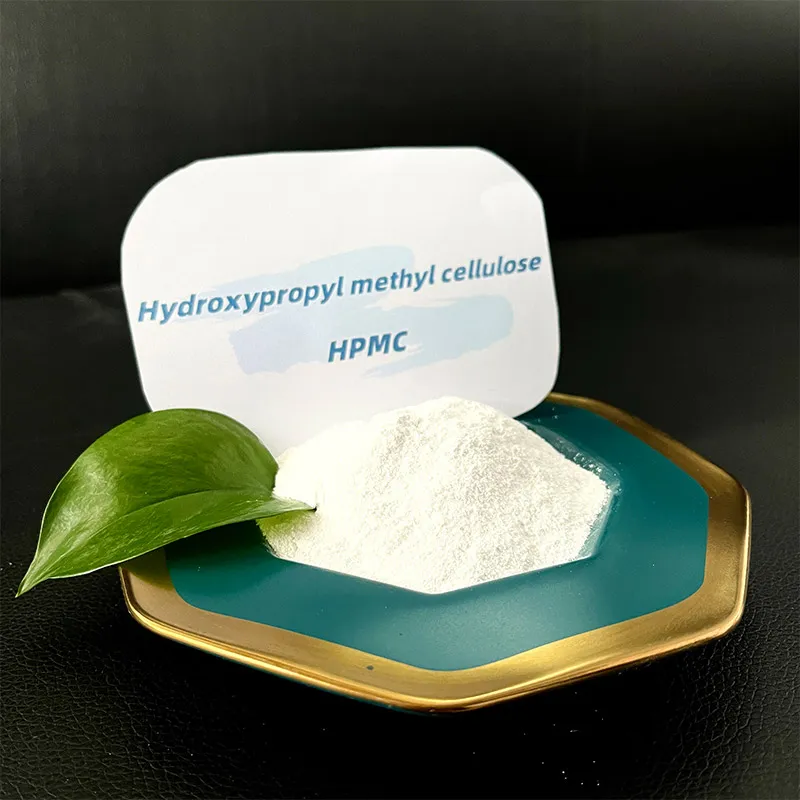
Hydroxypropyl methylcellulose (HPMC) is widely recognized in the realm of product formulation, particularly in pharmaceuticals, cosmetics, and food industries. Its unique properties make it indispensable, and its applications stretch far beyond its conventional uses, driving innovation across sectors. HPMC stands out primarily for its versatility and efficiency. Pharmaceutical companies frequently use it as a controlled delivery component in tablet formulations. Its ability to form a gel upon contact with water allows for sustained release of the active ingredient, which enhances patient compliance and optimizes therapeutic effects. This quality ensures that medications maintain efficacy over a prolonged period, delivering consistent dosage and reducing side effects. In the cosmetic industry, HPMC is lauded for its exceptional viscosity and texture-enhancing capabilities. It serves as a thickening agent in lotions and creams, providing consumers with a smooth application experience, which is central to customer satisfaction. Furthermore, its non-irritating nature makes it ideal for sensitive skin products, boosting the trustworthiness of formulations containing it. The impact of HPMC extends to the food industry as well, where it is valued for its role as an emulsifier, stabilizer, and thickener. Its inclusion in gluten-free foods, in particular, helps mimic the texture and crumb structure of traditional wheat products, overcoming one of the most significant challenges in gluten-free baking. By improving mouthfeel and moisture retention, it enhances the sensory attributes of gluten-free products, meeting consumer expectations for quality and taste. The multifaceted uses of HPMC are supported by a robust body of scientific research. Studies highlight its compatibility with a wide range of active ingredients and its biodegradability, which aligns with the growing environmental consciousness among consumers and manufacturers alike. Its safety profile is well-documented, with numerous regulatory bodies approving its use across different markets, reinforcing its authoritative standing in product formulation. kegunaan hydroxypropyl methylcellulose Professionals across industries rely on HPMC due to its unparalleled expertise in improving product quality. Its capacity to bind, stabilize, and control release positions it as a superior alternative to other less effective compounds. The ease of integration into existing processes without compromising product integrity underscores its indispensable role in modern manufacturing. Real-world testimonials from industry leaders consistently highlight the reliability and consistency of HPMC in achieving desired product outcomes. These testimonials not only underscore its efficacy but also enhance consumer confidence. Whether it's enhancing tablet performance, stabilizing a cream, or improving the texture of baked goods, HPMC has proven to be a trusted and reliable component. The future of HPMC looks promising, as ongoing research continues to explore novel applications and optimizations. Innovations in encapsulation techniques and sustainable production methods point towards even greater utility and efficiency. For companies focused on delivering high-quality, effective, and sustainable products, HPMC remains a cornerstone of successful product development. In summary, Hydroxypropyl methylcellulose stands as a testament to innovation and trust in product formulation . Its proven track record across multiple industries not only attests to its versatility but also solidifies its reputation for safety and efficacy. As markets evolve and consumer demands become more sophisticated, HPMC's role is poised to expand, supporting a new generation of products that are effective, safe, and environmentally responsible.
-
Powder rubber, an increasingly popular material in various industries, offers a myriad of applications ranging from automotive to packaging. Born from the need to recycle and repurpose end-of-life rubber products, powder rubber provides an eco-friendly alternative with far-reaching benefits. This article aims to explore the unique properties and applications of powder rubber, backed by insights and experiences from industry experts, while highlighting its expertise, authoritativeness, and trustworthiness. Powder rubber is derived from the grinding process of vulcanized and cured rubber , most commonly from used tires. The process yields a fine, powdery material which retains many of the original rubber's properties, such as flexibility, elasticity, and durability. This makes it a prime candidate for integration into new products that can benefit from these characteristics. In terms of experience, manufacturers utilizing powder rubber have reported significant improvements in their end products. For example, automotive companies have incorporated powder rubber into tire formulations, resulting in a reduction of raw material costs and an enhancement in tire performance due to its excellent abrasion resistance. Similarly, powder rubber is used in asphalt mixtures, offering improved road durability with reduced cracking—a direct benefit observed by municipal governments focused on infrastructure resilience. Expertise in the formulation and application of powder rubber is crucial. Process engineers emphasize the importance of particle size and distribution, which directly affect the performance attributes of the final product. Expertise in selecting the right grade of powder rubber for specific applications can vastly influence product success. As a result, companies often collaborate with specialized rubber compounding experts to tailor solutions that meet specific performance criteria. Authoritativeness is established through numerous case studies and research reports that back the efficacy of powder rubber. Research conducted by leading materials science institutions shows that products containing powder rubber can exhibit enhanced tensile strength and resilience under stress. Furthermore, rubber industry conferences often feature discussions centered around technological advancements in processing techniques for powder rubber, underscoring its growing importance in the materials science domain. powder rubber Trustworthiness stems from the commitment of the powder rubber supply chain to sustainability and quality control. Reputable suppliers offer thorough documentation and quality assurance processes, ensuring that each batch of powder rubber meets stringent standards. These safeguards build confidence among manufacturers who integrate powder rubber into their products, knowing that they contribute to an eco-conscious lifecycle. An insightful example can be drawn from the footwear industry, where powder rubber is frequently used in shoe soles. Brands committed to sustainable practices leverage this material to create eco-friendly products without sacrificing comfort and durability. The positive consumer feedback and repeat purchases substantiate the trust in powder rubber as a reliable material choice. The future of powder rubber looks promising, with ongoing research aimed at expanding its use in new arenas such as 3D printing materials and advanced composites. With continued investment in research and industry collaboration, powder rubber is poised to become a cornerstone of sustainable material innovation. It not only supports recycling initiatives but also offers a practical solution to the growing demand for high-performance, environmentally responsible materials. In summary, powder rubber represents a confluence of innovation, sustainability, and practicality, holding a significant place in modern manufacturing paradigms. Its utilization in diverse sectors serves as a testament to its versatility and effectiveness. As more industries recognize its potential, powder rubber will undoubtedly continue to shape the future landscape of eco-friendly materials and products.
advantages
-

200000 Viscosities
Excellent product
We can produce pure products up to 200,000 viscosities
-

40000 tons
High yield
We don’t stop production all year round, and the annual output can reach 40,000 tons
-

24 hours
Quality service
We provide 24-hours online reception service, welcome to consult at any time
———— Inquiry Form
Schedule A services

-
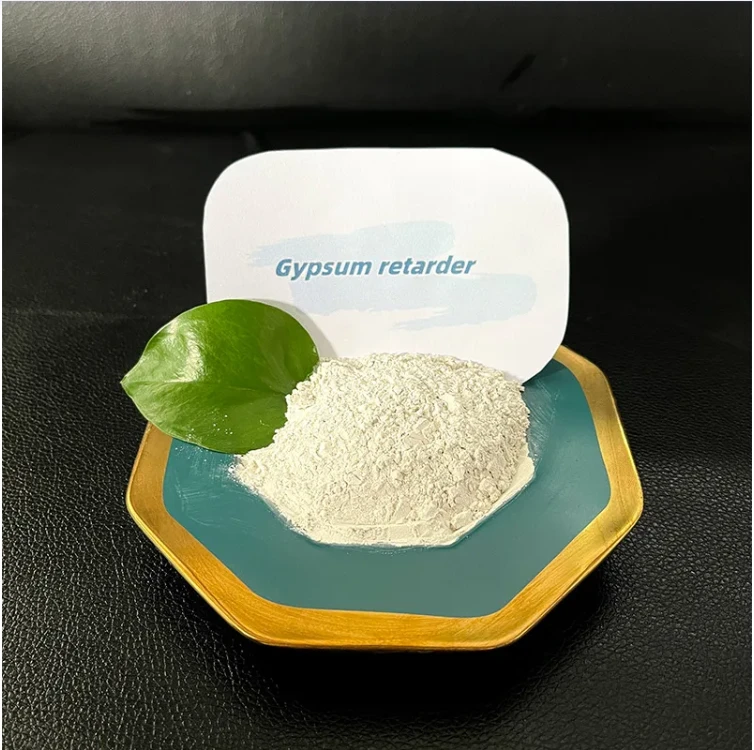
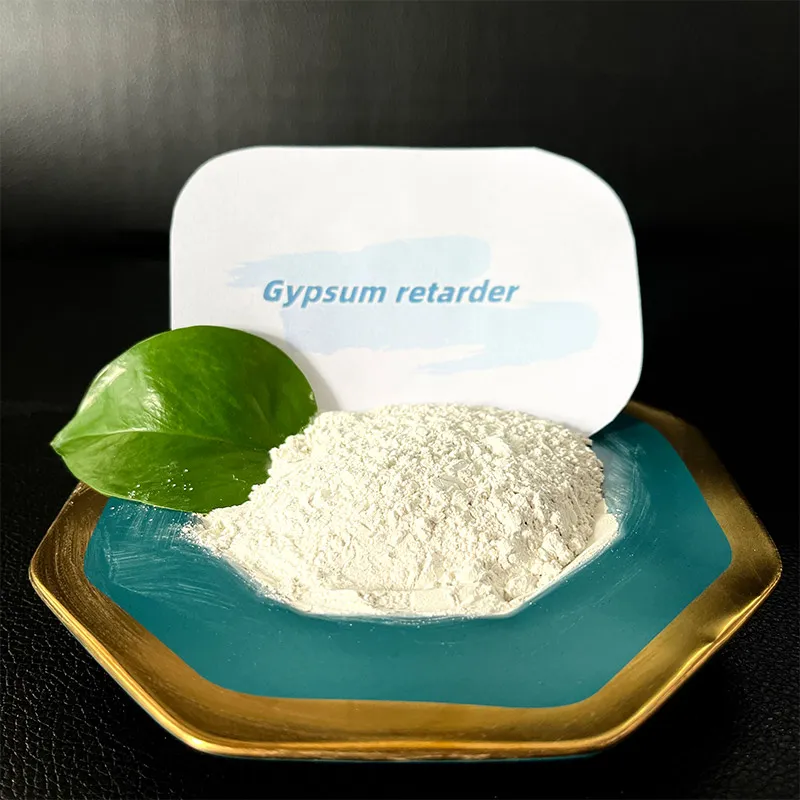
 retarders_in_gypsum_products
Oct . 25, 2025
The Emergence of Wood Pulp Fiber A Sustainable Alternative In recent years, the pursuit of sustainab -
 is_cellulose_made_from_wood
Oct . 25, 2025
HPMC Connect is rapidly emerging as a pivotal element in the pharmaceutical and construction industr -
 fibre_synthetic_fibre
Oct . 25, 2025
Hydroxypropyl methylcellulose (HPMC) , with a concentration of 0.3%, is becoming an increasingly pop


